Poetry has a unique way of touching the human heart and expressing the emotions of life that ordinary words often cannot capture. Through carefully chosen language, poets turn thoughts, feelings, and experiences into powerful messages that stay with us long after we read them. Whether it speaks of love, pain, imagination, or truth, poetry allows us to see the world from deeper and more meaningful perspectives, leaving us feeling happy and inspired.
The following collection of poetry quotes highlights the beauty, mystery, and strength of poetic expression. Each quote reflects how poetry can inspire creativity, reveal hidden emotions, and connect people across time and cultures. By reading these thoughtful words, readers can gain a better appreciation for the art of poetry, understand the wisdom it conveys, and see why it continues to influence hearts and minds around the world.
1.“Genuine poetry can communicate before it is understood.”
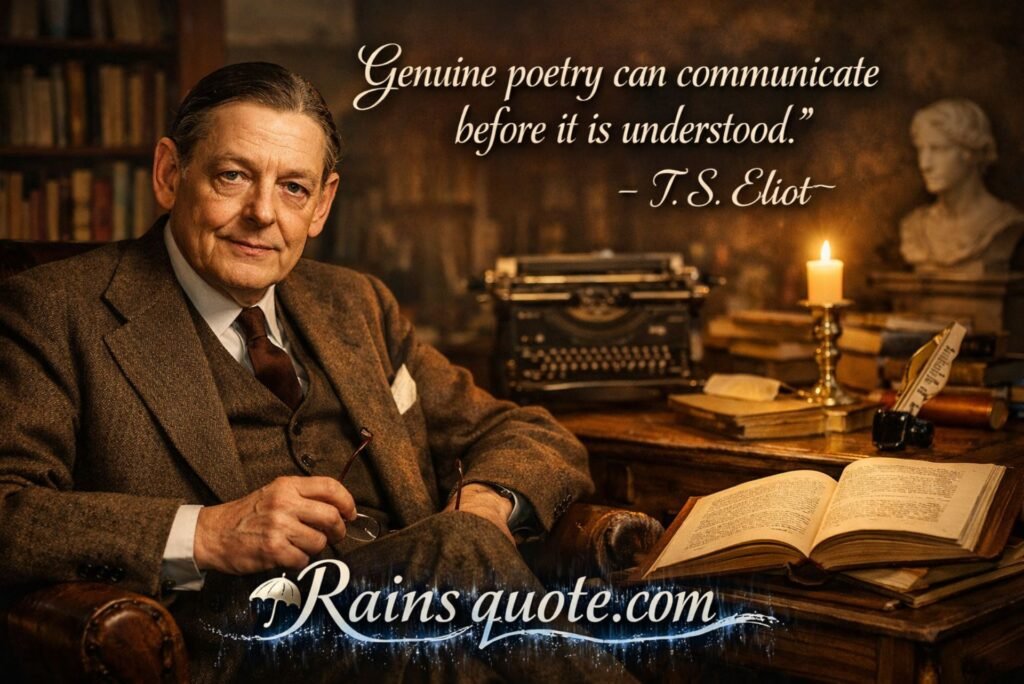
— T. S. Eliot
Author: T. S. Eliot was a modernist poet, critic, and playwright, widely regarded as one of the greatest literary figures of the 20th century. He won the Nobel Prize in Literature in 1948 and is known for works like The Waste Land.
🎬 Context of the Quote: This quote means poetry can touch emotions even before we fully understand its meaning. It shows that true poetry connects with the heart first, and the mind follows later.
2. “Poetry is an echo, asking a shadow to dance.”
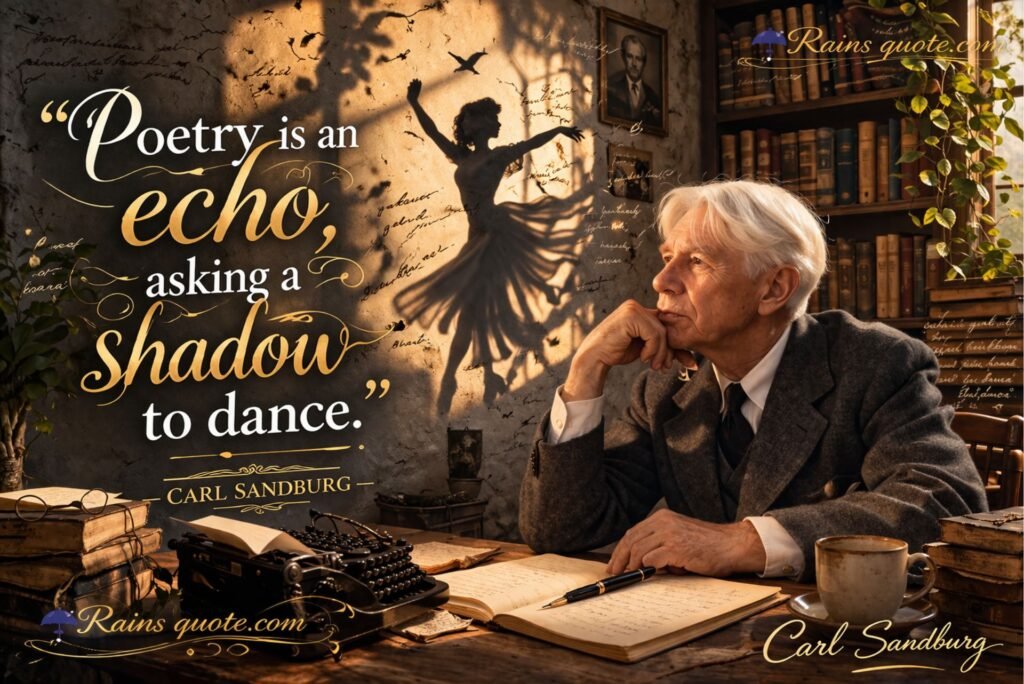
— Carl Sandburg
Author: Carl Sandburg was an American poet, writer, and editor known for his free-verse style and deep connection to everyday life. He won multiple Pulitzer Prizes and often wrote about the beauty and struggles of common people.
🎬 Context of the Quote: This quote shows that poetry is something mysterious and imaginative, not always direct or clear. It suggests poetry invites feelings and images to move and come alive in a subtle, almost magical way.
3. “No poems can please for long or live that are written by water drinkers.”
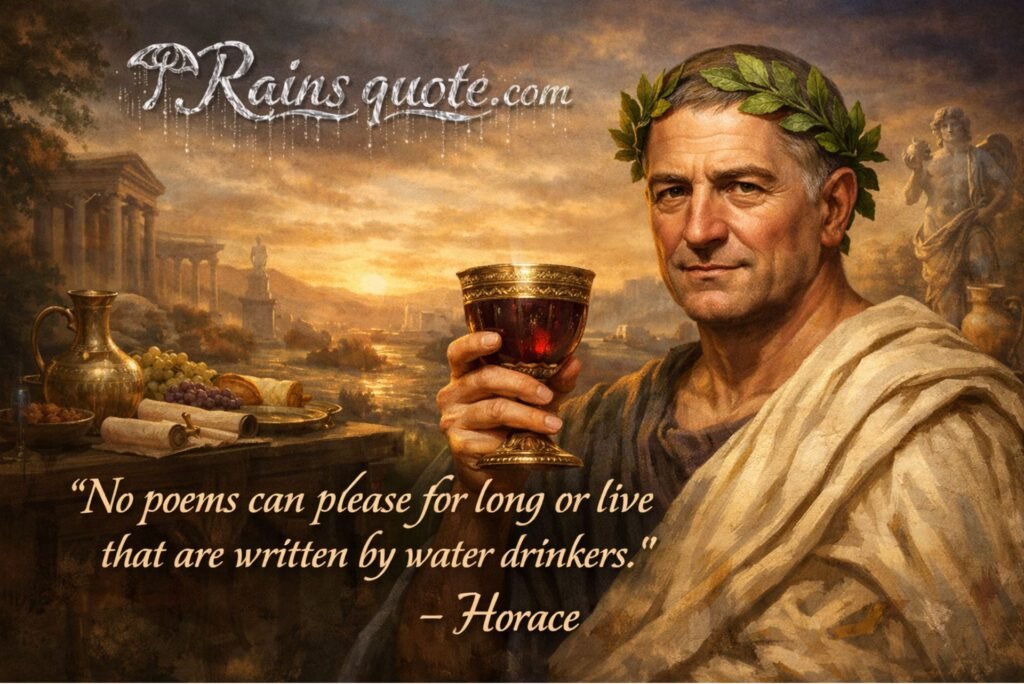
— Horace
Author: Horace was a famous Roman poet known for his lyrical poetry and wise reflections on life, art, and human nature. His works influenced Western literature for centuries, especially in themes of balance and enjoyment of life.
🎬 Context of the Quote: This quote humorously suggests that great poetry needs passion, energy, and strong emotion—not dullness or restraint. “Water drinkers” symbolizes a lack of spirit, meaning powerful creativity comes from deep feeling and intensity.
4. “Poetry is an echo, asking a shadow to dance.”
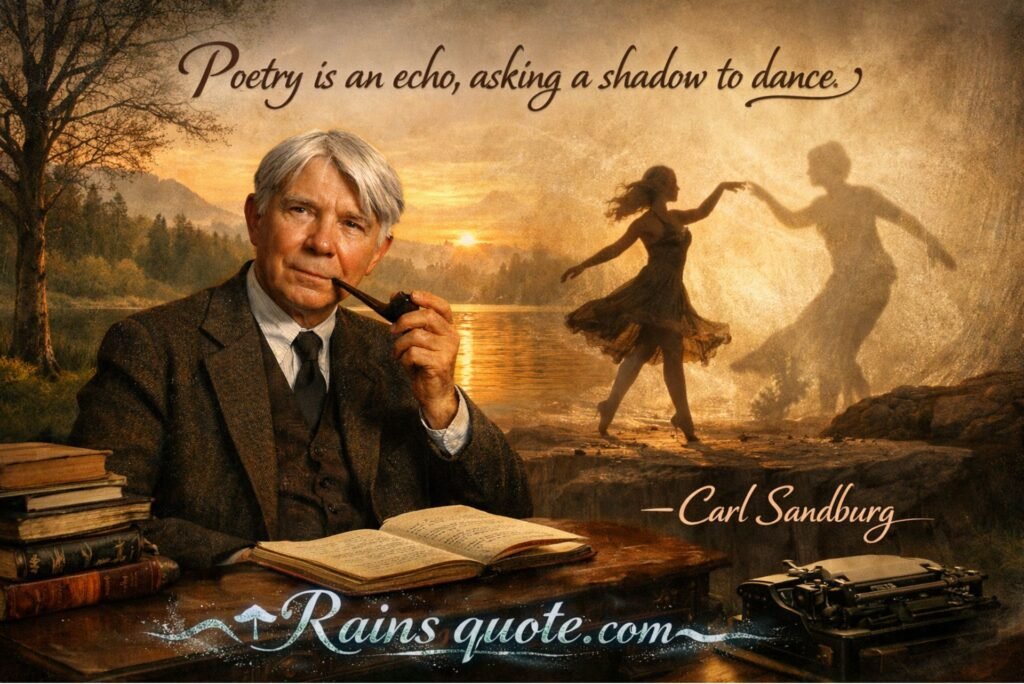
— Carl Sandburg
Author: Carl Sandburg was a celebrated American poet known for his simple yet powerful free-verse style. He focused on real life, emotions, and the voice of ordinary people, earning multiple Pulitzer Prizes.
🎬 Context of the Quote: This quote shows poetry as something indirect and imaginative, like an echo that brings hidden feelings to life. It suggests poetry doesn’t explain everything clearly—it invites the reader to feel and imagine deeply.
5. “If you cannot be a poet, be the poem.”
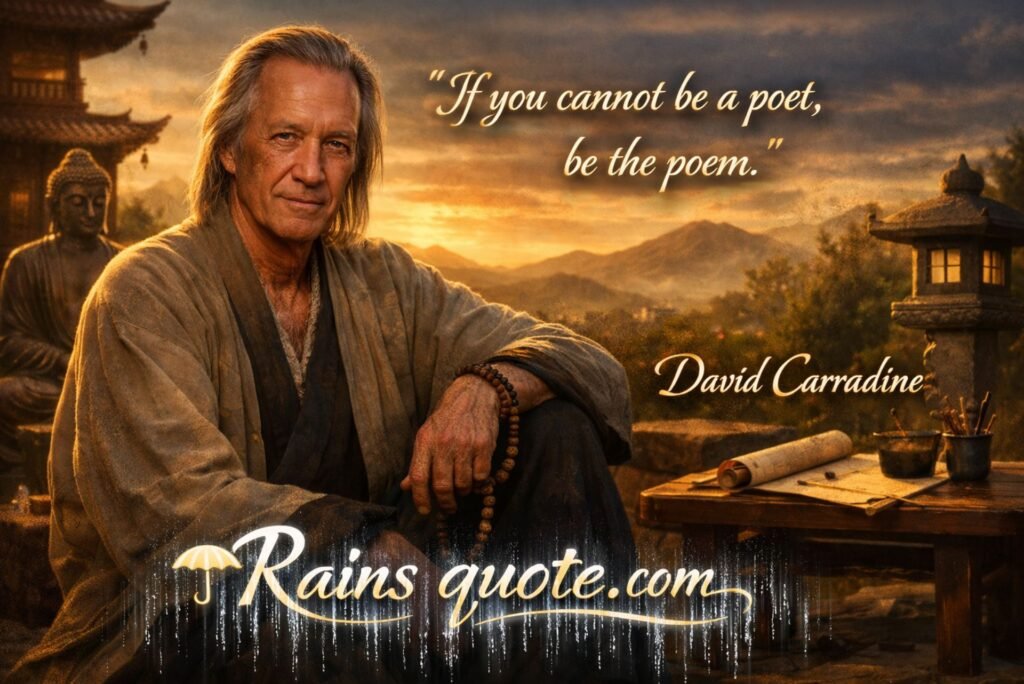
— David Carradine
Author: David Carradine was an American actor best known for his roles in martial arts films and the TV series Kung Fu. Beyond acting, he often shared philosophical thoughts about life, identity, and self-expression.
🎬 Context of the Quote: This quote means if you cannot express beauty or meaning through words, then live your life in a way that reflects it. It encourages becoming a real example of creativity, passion, and purpose.
6. “The poets have been mysteriously silent on the subject of cheese.”
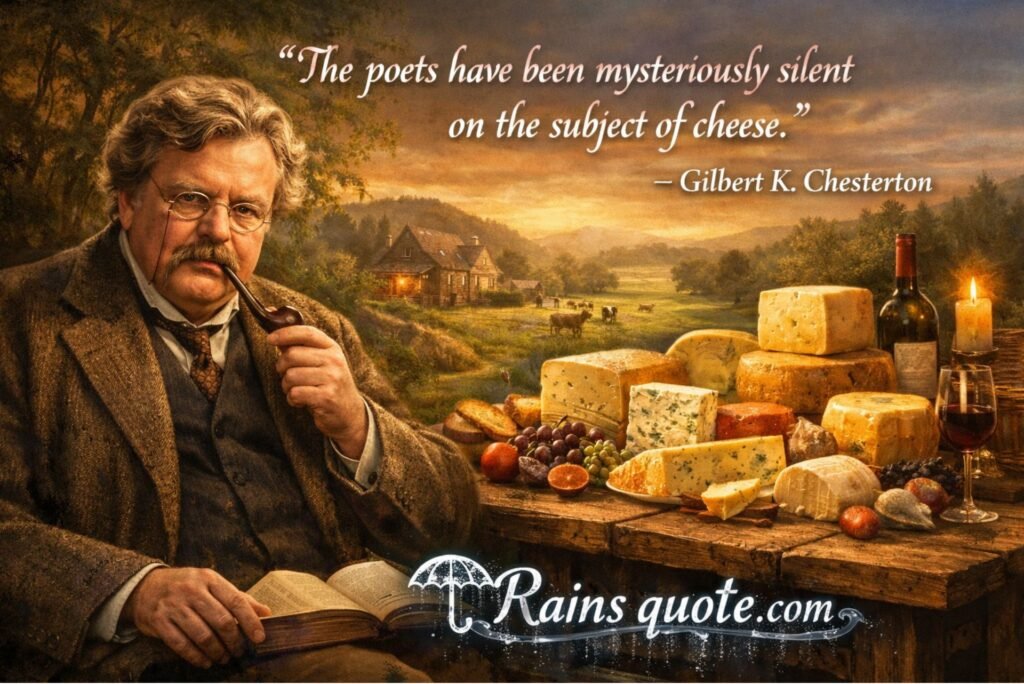
— Gilbert K. Chesterton
Author: G. K. Chesterton was an English writer, philosopher, and critic known for his wit, humor, and sharp observations about everyday life. He wrote essays, poetry, and famous works like The Man Who Was Thursday.
🎬 Context of the Quote: This quote is a humorous way of pointing out how poetry often ignores simple, ordinary things. Chesterton suggests that even common subjects like cheese deserve attention, showing his playful view of creativity.
7. “Painting is silent poetry, and poetry is painting that speaks.”
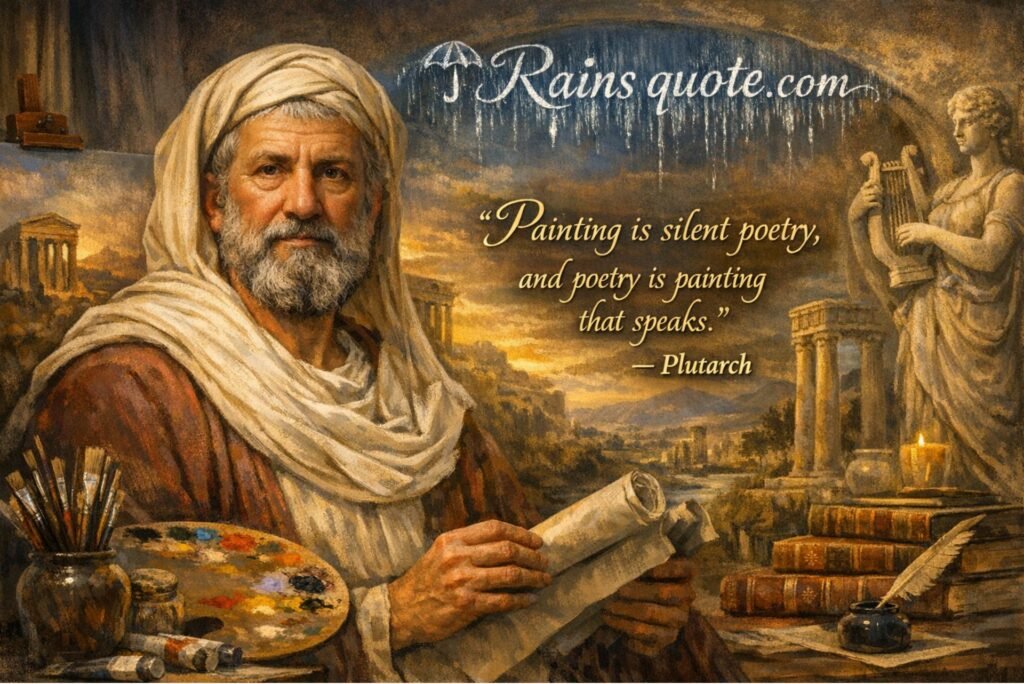
— Plutarch
Author: Plutarch was an ancient Greek philosopher, historian, and biographer known for his work Parallel Lives. His writings often explored character, morality, and the connection between art and human nature.
🎬 Context of the Quote: This quote shows the deep connection between visual art and poetry, both expressing emotions in different forms. It means painting communicates without words, while poetry creates vivid images through language.
8. “To see clearly is poetry, prophecy, and religion all in one.”
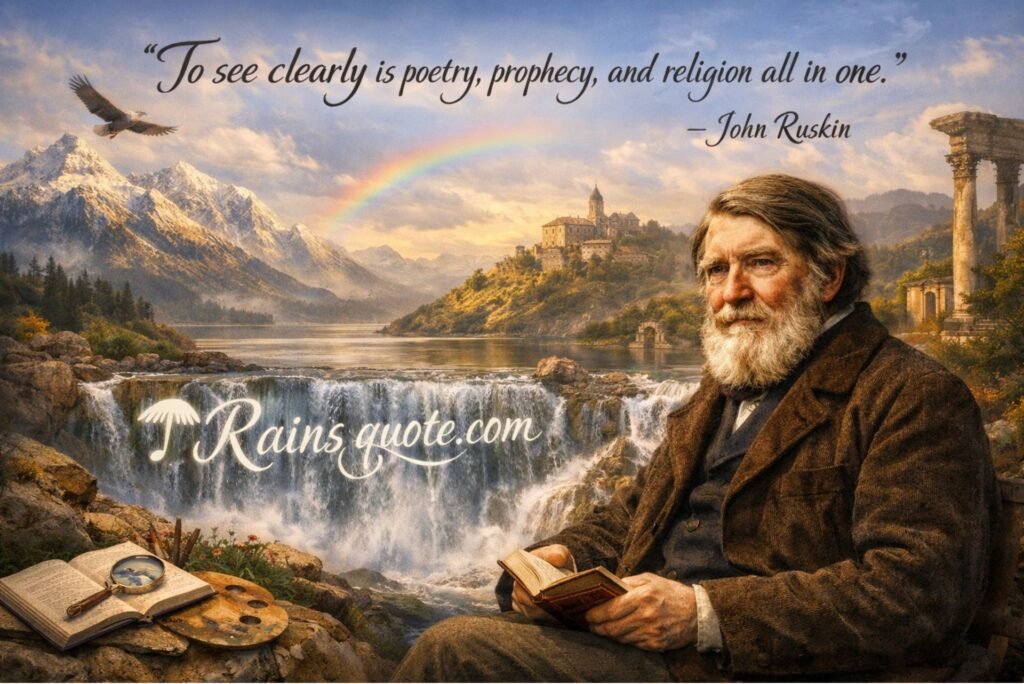
— John Ruskin
Author: John Ruskin was a leading English art critic, writer, and social thinker of the Victorian era. He wrote deeply about art, nature, and society, influencing both artists and philosophers.
🎬 Context of the Quote: This quote suggests that true clarity of vision goes beyond simple observation—it connects to deeper truth and meaning. Seeing clearly allows a person to understand life in a way that feels artistic, insightful, and almost spiritual.
9. “Poetry is language at its most distilled and most powerful.”
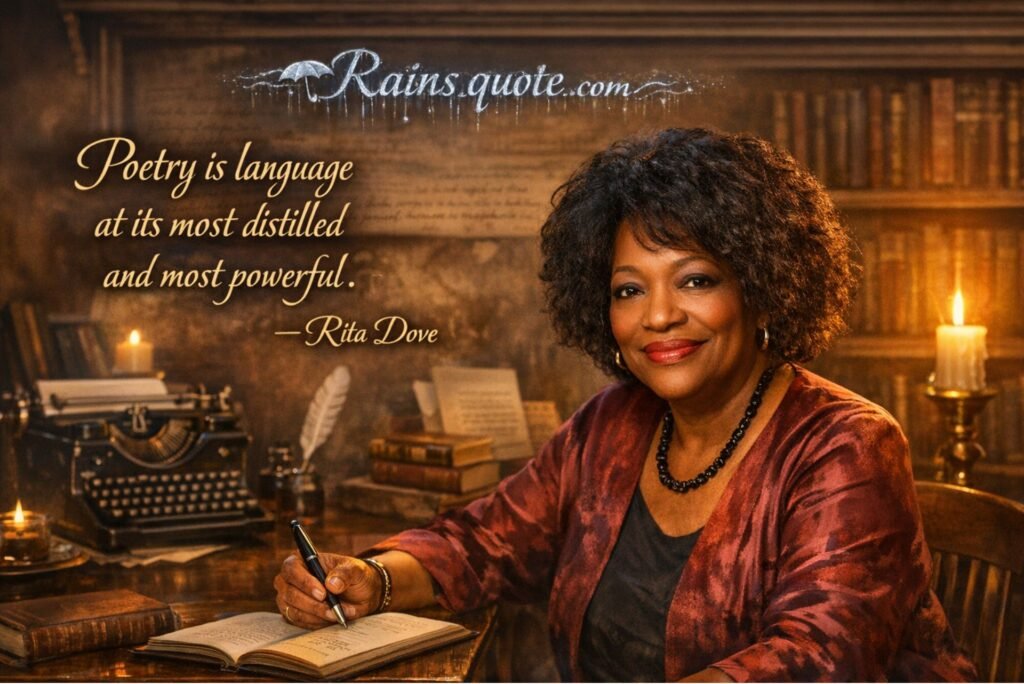
— Rita Dove
Author: Rita Dove is an acclaimed American poet and essayist who served as the U.S. Poet Laureate from 1993 to 1995. She is known for her precise, expressive language and won the Pulitzer Prize for Poetry.
🎬 Context of the Quote: This quote means poetry uses very few words but carries deep meaning and strong emotion. It highlights how powerful language can become when it is clear, focused, and carefully chosen.
10. “Poetry is thoughts that breathe, and words that burn.”
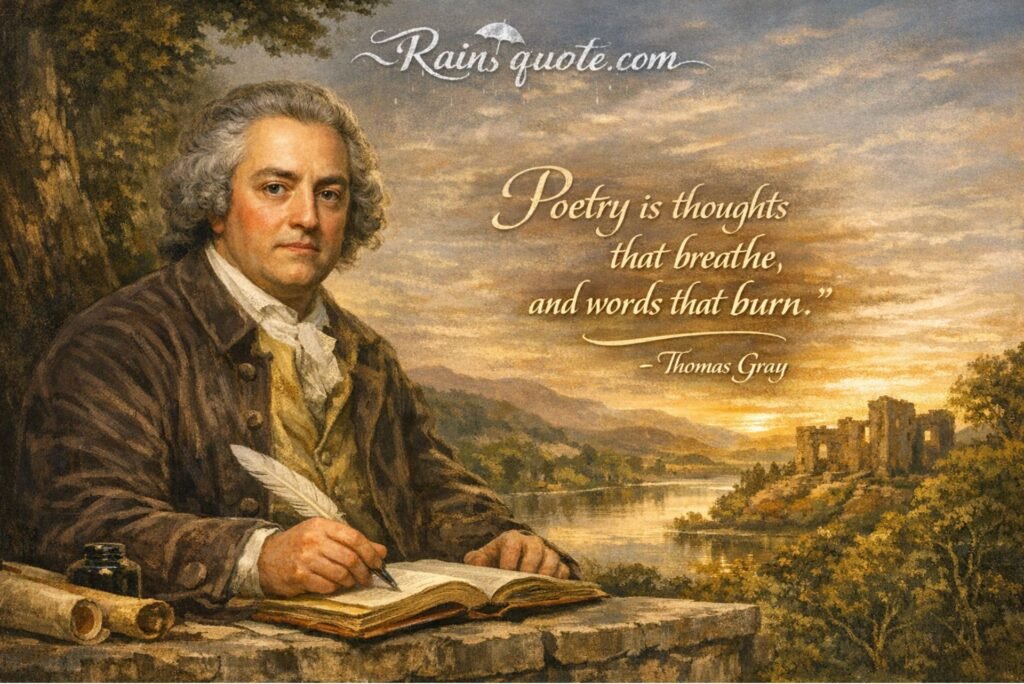
— Thomas Gray
Author: Thomas Gray was an 18th-century English poet best known for his elegiac poem Elegy Written in a Country Churchyard. His work often combined deep emotion with classical style and reflective thought.
🎬 Context of the Quote: This quote highlights poetry as living thought made vivid through words. It suggests that true poetry not only expresses ideas but also ignites emotion and leaves a lasting impact on the reader.
11. “I was reading the dictionary. I thought it was a poem about everything.”
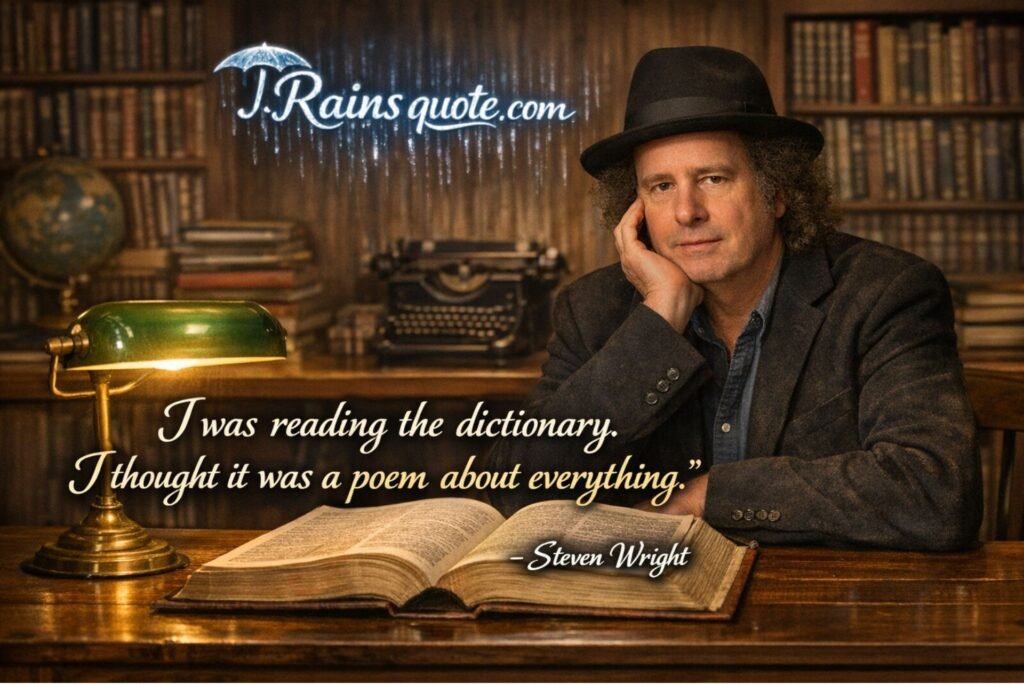
— Steven Wright
Author: Steven Wright is an American comedian known for his deadpan delivery and absurdist one-liners. His humor often plays with language, logic, and the unexpected.
🎬 Context of the Quote: This quote humorously shows how everyday things, like a dictionary, can inspire wonder and creativity. It reflects the idea that even ordinary language can be seen as poetic if viewed with imagination.
12. “Poetry is the art of creating imaginary gardens with real toads.”
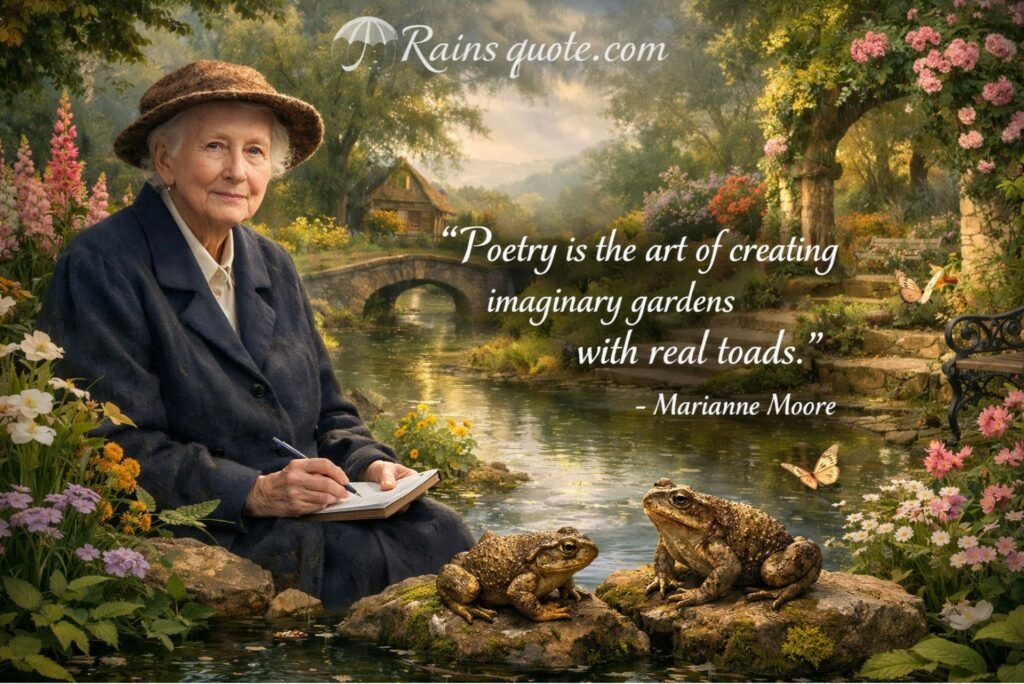
— Marianne Moore
Author: Marianne Moore was an influential American modernist poet known for her precise language and vivid imagery. She often combined imagination with keen observation of the natural world.
🎬 Context of the Quote: This quote suggests that poetry blends imagination with reality, creating beauty while acknowledging imperfections. The “real toads” symbolize the unexpected or flawed elements that make poetry authentic and lively.
13. “Poets are the unacknowledged legislators of the world.”
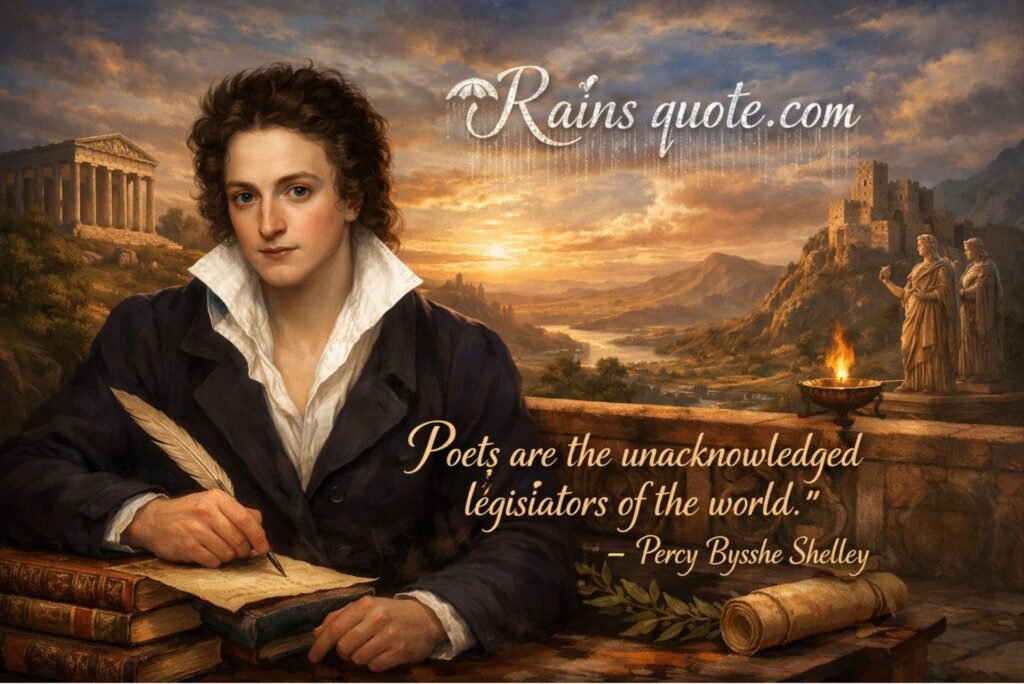
— Percy Bysshe Shelley
Author: Percy Bysshe Shelley was a major English Romantic poet known for his radical ideas, lyrical poetry, and political activism. His works often explored liberty, social justice, and the power of imagination.
🎬 Context of the Quote: This quote means poets shape society and culture through ideas and imagination, even if their influence isn’t formally recognized. Shelley believed poetry could inspire thought, change, and moral progress in the world.
14. “Poetry is the art of uniting pleasure with truth.”
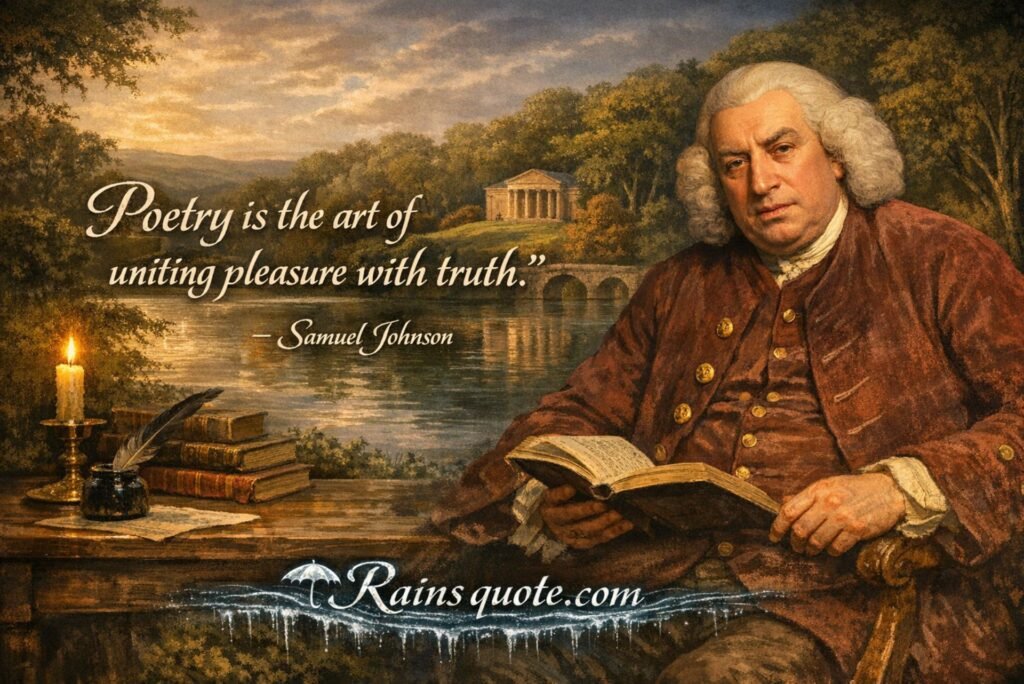
— Samuel Johnson
Author: Samuel Johnson was an 18th-century English writer, critic, and lexicographer, famous for compiling A Dictionary of the English Language. He was known for his wit, moral insights, and influence on English literature.
🎬 Context of the Quote: This quote highlights that poetry should both delight and enlighten. Johnson believed that the best poetry combines aesthetic pleasure with meaningful, truthful ideas.
15. “A poet is, before anything else, a person who is passionately in love with language.”
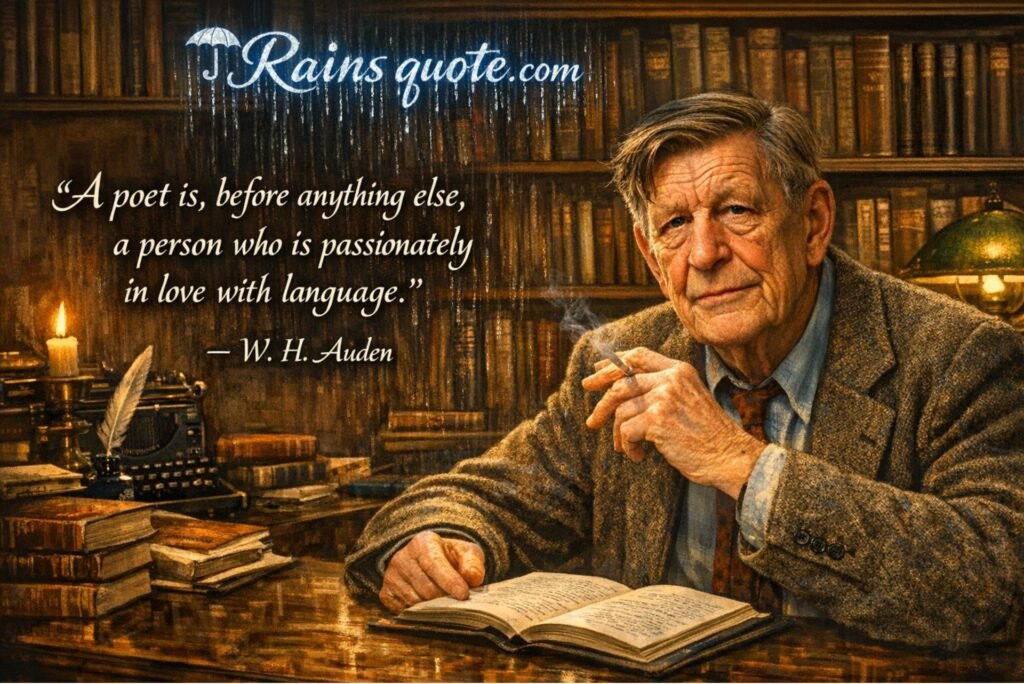
— W. H. Auden
Author: W. H. Auden was an influential 20th-century English-American poet known for his technical skill, social commentary, and exploration of human psychology. His works often combined moral insight with linguistic elegance.
🎬 Context of the Quote: This quote emphasizes that a poet’s primary drive is a deep love for words and expression. It suggests that poetry stems from passion for language itself, not just ideas or themes.
16. “Pain is filtered in a poem so that it becomes finally, in the end, pleasure.”
— Mark Strand
Author: Mark Strand was a Canadian-American poet and essayist who served as U.S. Poet Laureate and won the Pulitzer Prize for Poetry. His work often explores emotion, memory, and the transformation of experience through language.
🎬 Context of the Quote: This quote means poetry transforms suffering into something meaningful and beautiful. Strand highlights how expressing pain through words allows both writer and reader to find insight, release, and even pleasure.
17. “Poetry is plucking at the heartstrings, and making music with them.”
— Dennis Gabor
Author: Dennis Gabor was a Hungarian-British physicist and electrical engineer, best known for inventing holography and winning the Nobel Prize in Physics in 1971. Though a scientist, he often reflected on creativity and the arts.
🎬 Context of the Quote: This quote compares poetry to music, showing how words can evoke deep emotions. Gabor suggests poetry resonates with the human heart, creating an emotional harmony that can be felt and understood.
18. “The moment of change is the only poem.”
— Adrienne Rich
Author: Adrienne Rich was an influential American poet, essayist, and feminist known for her powerful explorations of identity, politics, and social justice. Her work often challenged societal norms and celebrated personal and collective transformation.
🎬 Context of the Quote: This quote suggests that true poetry exists in moments of transformation and insight. Rich emphasizes that change—whether internal or external—is where life’s deepest meaning and poetic power reside.
19. “The poet may be used as a barometer, but let us not forget that he is also part of the weather.”
— Lionel Trilling
Author: Lionel Trilling was an American literary critic and teacher, known for his insightful essays on culture, literature, and society. He examined the relationship between literature and human experience with depth and clarity.
🎬 Context of the Quote: This quote means poets not only reflect society (the barometer) but are also influenced by it (part of the weather). Trilling emphasizes that a poet’s work is intertwined with the world they live in, both observing and participating.
20. “You don’t make a poem with ideas, but with words.”
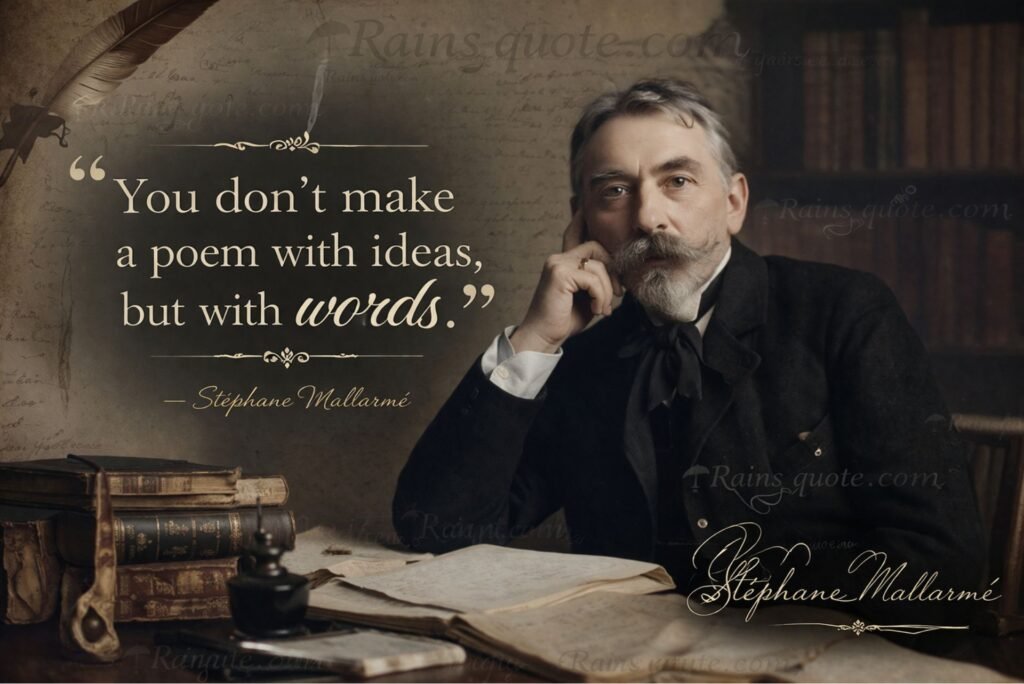
— Stéphane Mallarmé
Author: Stéphane Mallarmé was a French Symbolist poet known for his innovative, complex style and exploration of language’s musicality. He profoundly influenced modern poetry by emphasizing the power and precision of words.
🎬 Context of the Quote: This quote highlights that poetry is crafted through careful use of language, not just abstract ideas. Mallarmé emphasizes that the choice, rhythm, and arrangement of words bring a poem to life.
21. “I sometimes talk about the making of a poem within the poem.”
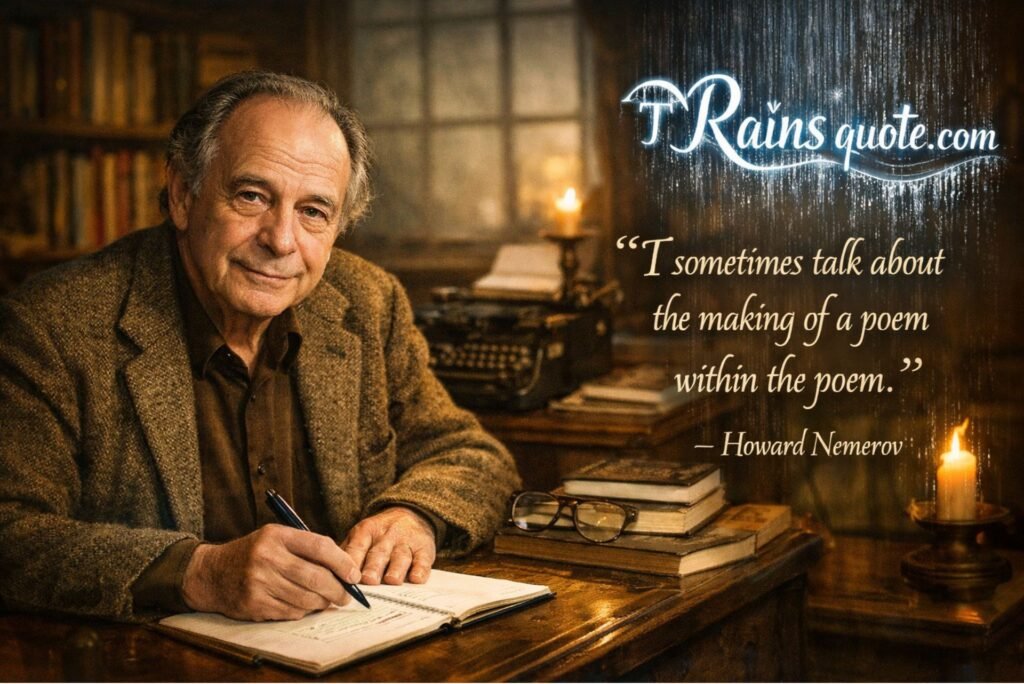
— Howard Nemerov
Author: Howard Nemerov was an American poet, novelist, and essayist who served as U.S. Poet Laureate and won the Pulitzer Prize for Poetry. His work often explored the craft of writing, human experience, and philosophical themes.
🎬 Context of the Quote: This quote reflects the idea of meta-poetry, where a poem can reveal or discuss its own creation. Nemerov emphasizes that poetry can be self-aware, exploring both its process and meaning within the work itself.
22. “Poetry is the deification of reality.”
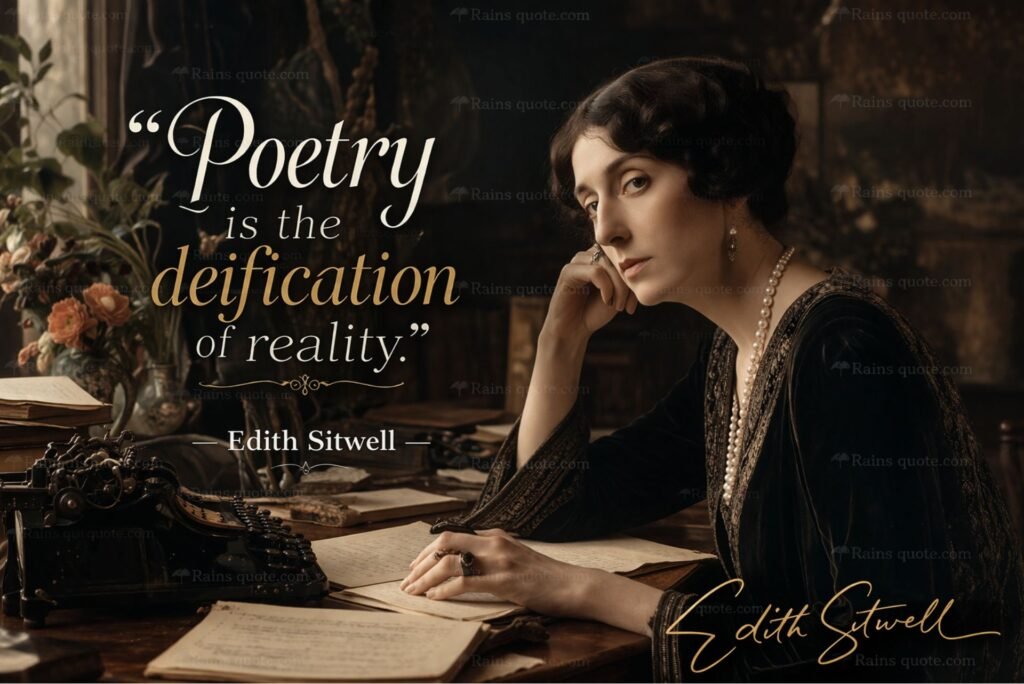
— Edith Sitwell
Author: Edith Sitwell was an English poet and critic known for her eccentric style and innovative use of sound and rhythm. She explored the relationship between imagination and the real world in her poetry.
🎬 Context of the Quote: This quote suggests that poetry elevates everyday reality, turning ordinary experiences into something sacred or sublime. Sitwell emphasizes that poetry transforms life into art through imagination and expression.
Conclusion
Poetry has a unique way of speaking to the heart, expressing emotions that words alone often cannot capture. Through these quotes from famous poets, we can see how poetry inspires creativity, reflects life’s moments, and brings out the beauty in everyday experiences.
Each quote reminds us that poetry is more than just words on a page—it is a way to connect with ourselves and the world around us. By exploring these insights, readers can appreciate not only the art of poetry but also the deeper feelings and wisdom it offers in life.
FAQS
1️⃣ What is the best quote about poetry?
One of the most powerful quotes about poetry is by T. S. Eliot: “Genuine poetry can communicate before it is understood.” It shows that poetry touches the heart first, and understanding comes later. Poetry is meant to feel as much as it is meant to be read.
2️⃣ What is Insta Poetry?
Insta poetry is short, creative, and often emotional poetry shared on Instagram. These poems are usually simple, relatable, and visually appealing, making it easy for readers to connect and feel inspired.
3️⃣ How to say “I love you” in a poetic way?
You can say it like: “My heart beats your name in every rhythm of life” or “You are the poetry my soul always wanted to write.” Poetic expressions make simple feelings sound deeper and more beautiful.
4️⃣ What are love poetry quotes?
Love poetry quotes are lines from poems that express love, passion, and emotions in a beautiful way. They capture the essence of love through words, metaphors, and imagery, making feelings easier to understand and feel.
5️⃣ What are some unique love quotes?
Unique love quotes often use fresh metaphors or imaginative ideas. For example: “You are the whisper of stars in my quiet nights” or “Our souls speak in a language no words can define.” They stand out because they feel personal, emotional, and original.