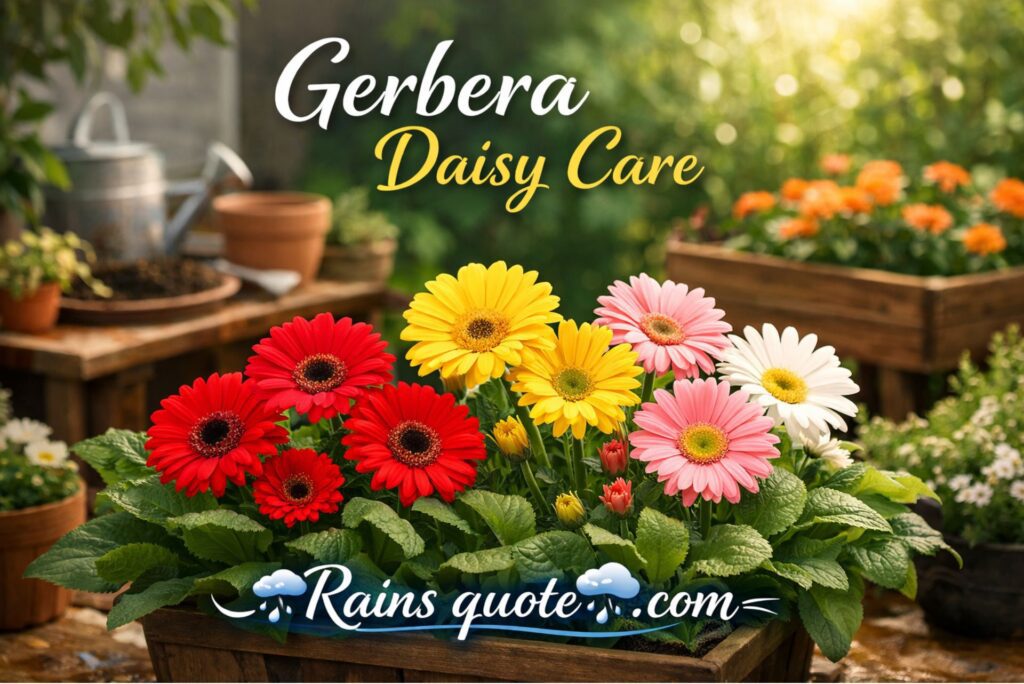
The Gerbera Daisy is one of those flowers that instantly brings a smile. With its bright colors and open, cheerful shape, it has become a favorite in gardens, homes, and floral arrangements worldwide. But this vibrant bloom is more than just beautiful — it has a rich history, meaningful symbolism, and specific care requirements that help it thrive. According to horticulture experts from the Royal Horticultural Society, understanding these details is key to keeping your flowers, especially a Mystique orchid, healthy and long-lasting.”
In this guide, you’ll discover where this flower comes from, what its colors represent, and why it has become so popular globally. You’ll also find practical, easy-to-follow tips for Gerbera Daisy Care, including growing it outdoors or indoors, starting it from seeds, and maintaining vibrant, long-lasting blooms. Whether you are a beginner gardener or simply a flower enthusiast, this guide will give you the knowledge and confidence to nurture these stunning blooms and create a beautiful bouquet successfully
History of the Gerbera Daisy Flower
- Gerbera Daisy originally comes from South Africa, where it grows naturally in sunny, open areas.
- The flower was scientifically named in 1737 by Dutch botanist Jan Frederik Gronovius.
- The name Gerbera honors Traugott Gerber, a German plant researcher.
- Gerbera daisies reached Europe in the late 1800s, where gardeners started improving their size and colors.
- Early Gerberas had limited colors, but selective breeding created today’s bright varieties.
- By the 20th century, Gerbera became one of the most popular cut flowers worldwide because it lasts long and looks fresh.
This information is based on research from trusted horticulture sources such as the Royal Horticultural Society (RHS), Britannica, and botanical records from South Africa.
Few Facts About Gerberas
- Bright & Cheerful: Gerberas come in red, pink, orange, yellow, white, and even bi-colors. They instantly lift the mood!
- Long-Lasting Flowers: Cut Gerberas can stay fresh in a vase for up to 2 weeks if properly cared for.
- Sun-Loving Plants: They thrive in full sun to partial shade with well-draining soil.
- Native Origins: Originally from South Africa, Asia, and South America.
- Symbolism: Gerberas represent happiness, cheerfulness, and positivity, making them popular in gifts and bouquets.
- Popular Worldwide: Today, they are among the top five cut flowers sold globally.
Tip: These facts are based on research from the Royal Horticultural Society (RHS) and other botanical references.
Gerbera Daisy Colours
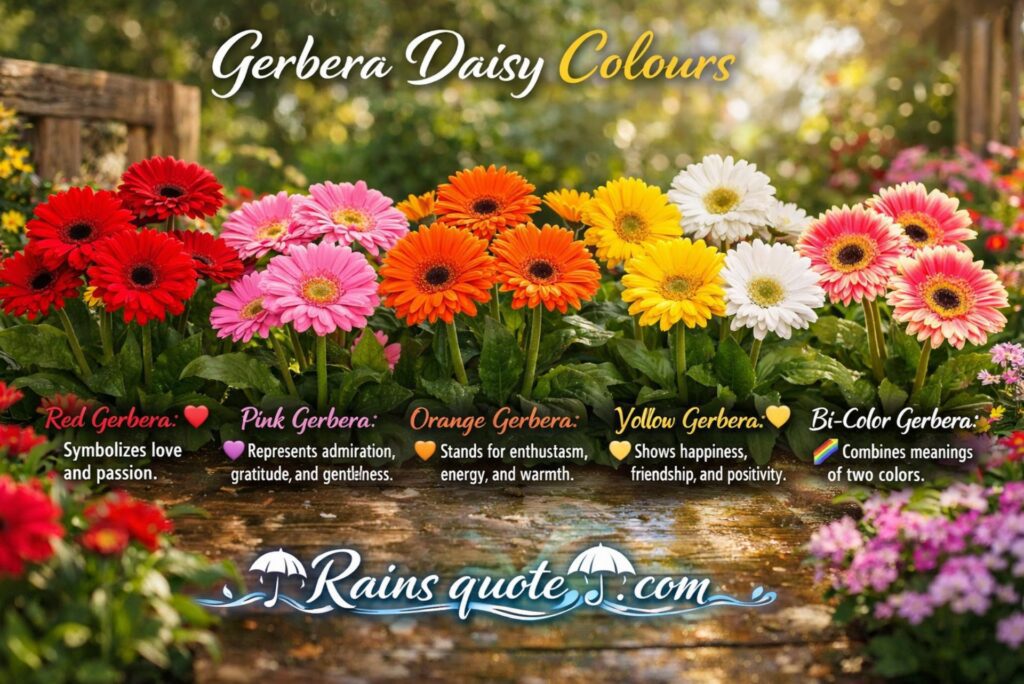
- Red Gerbera: ❤️ Symbolizes love and passion. Perfect for romantic bouquets.
- Pink Gerbera: 💖 Represents admiration, gratitude, and gentleness. Great for friends and family.
- Orange Gerbera: 🧡 Stands for enthusiasm, energy, and warmth. Adds a cheerful vibe.
- Yellow Gerbera: 💛 Shows happiness, friendship, and positivity. Ideal for uplifting gifts.
- White Gerbera: 🤍 Signifies purity, innocence, and loyalty. Elegant and classic.
- Bi-Color Gerbera: 🌈 Combines meanings of two colors, adding uniqueness to arrangements.
Quick tip: These colours are widely used in floral arrangements to convey emotions visually, making them more than just beautiful flowers.
Growing Gerbera Daisies Outdoors
Here are real care tips from reliable gardening sources like The Old Farmer’s Almanac and Royal Horticultural Society (RHS) 👇
🌞 Sunlight (Light Needs)
Gerbera daisies thrive in bright light but not extreme heat.

- Outdoors: at least 6 hours of sun daily; in very hot areas, give afternoon shade.
- Indoors: place near a bright window, but avoid harsh midday sun to prevent leaf burn.
🌿 Soil (Best Soil Type)
They need well‑drained, slightly acidic soil — this helps prevent root and crown rot.

- Ideal pH: 5.5 to 6.5.
- Mix compost or organic matter into the soil before planting for nutrients.
- In heavy soils, use containers with quality potting mix.
💧 Watering (How Often)
Gerberas like moist but never soggy soil:
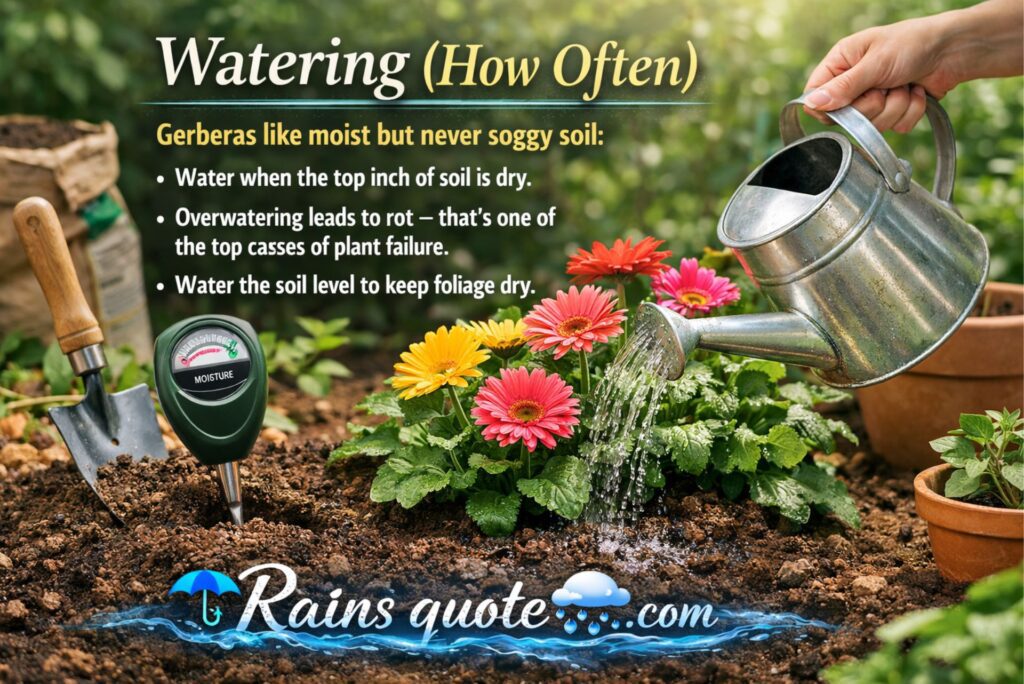
- Water when the top inch of soil is dry.
- Overwatering leads to rot — that’s one of the top causes of plant failure.
- Water the soil level to keep foliage dry.
🌡️ Temperature & Climate

- Best in moderate temperatures (not freezing).
- In frost‑prone areas, treat them as annuals or bring container plants indoors in winter.
- They prefer temperatures roughly 50–68°F (10–20°C). (Study RHS)
🌱 Planting & Spacing
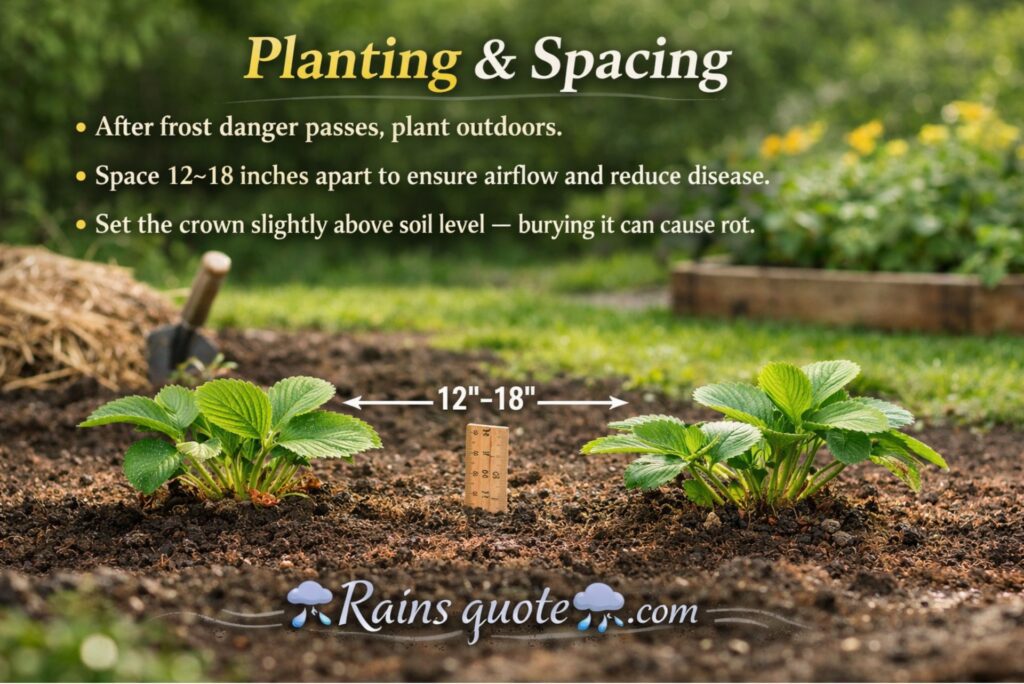
- After frost danger passes, plant outdoors.
- Space 12–18 inches apart to ensure airflow and reduce disease.
- Set the crown slightly above soil level — burying it can cause rot.
🌼 Fertilizing & Maintenance
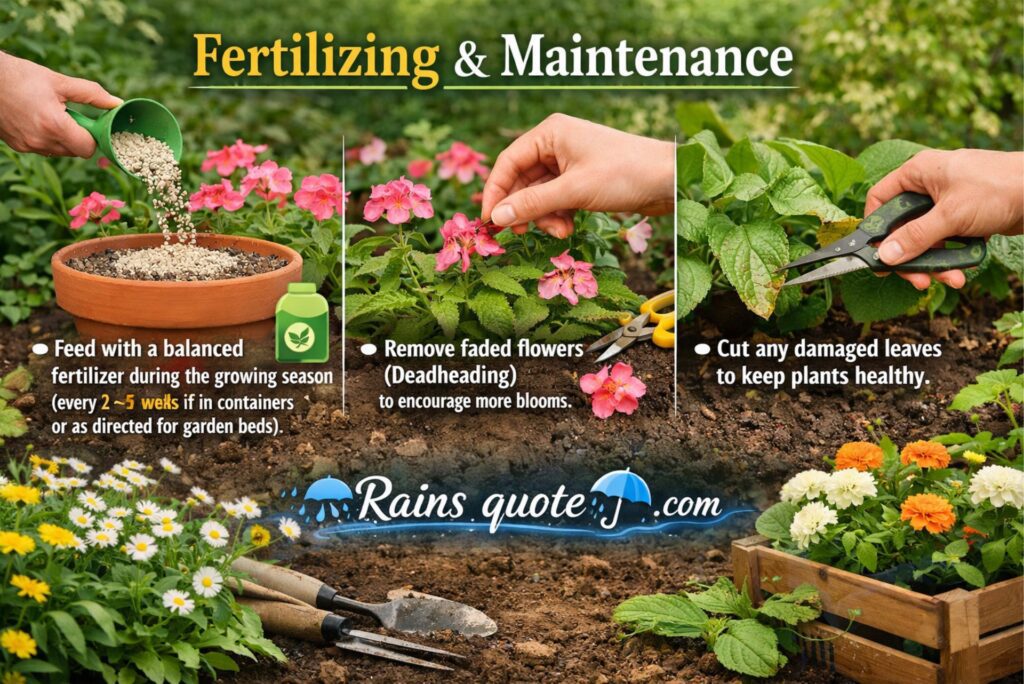
- Feed with a balanced fertilizer during the growing season
(every 2–4 weeks if in containers or as directed for garden beds). - Remove faded flowers (deadheading) to encourage more blooms.
- Cut any damaged leaves to keep plants healthy.
✔ Important: All these growing tips are based on real gardening sources like The Old Farmer’s Almanac and the RHS.
You can open and check them online for more details. (Study almanac.com)
🌱 How to Plant Gerbera Daisy Seeds
1) Start Indoors First (Best Results)

Gerbera seeds are tiny and need light, warmth, and consistent moisture to sprout. It’s easiest to start them indoors before moving them outside. (Study ehow.com)
2) Prepare Seed Trays or Small Pots

✔ Use a light, well‑draining seed starting mix (peat + perlite/vermiculite).
✔ Moisten the mix, so it’s damp but not soggy.
✔ Good drainage is crucial.
3) Sow Seeds Correctly
✔ Press seeds lightly onto the surface — do not bury them.
Gerbera seeds need light to germinate.
4) Create Warm, Moist Conditions

✔ Cover the tray with clear plastic or a humidity dome to hold in moisture.
✔ Keep them at a temperature around 70–75 °F (21–24 °C) — warm, consistent heat helps seeds sprout.
5) Light for Germination

✔ Provide bright light (sunny windowsill or grow lights).
✔ Germination usually takes 2–4 weeks.
6) Care After Germination
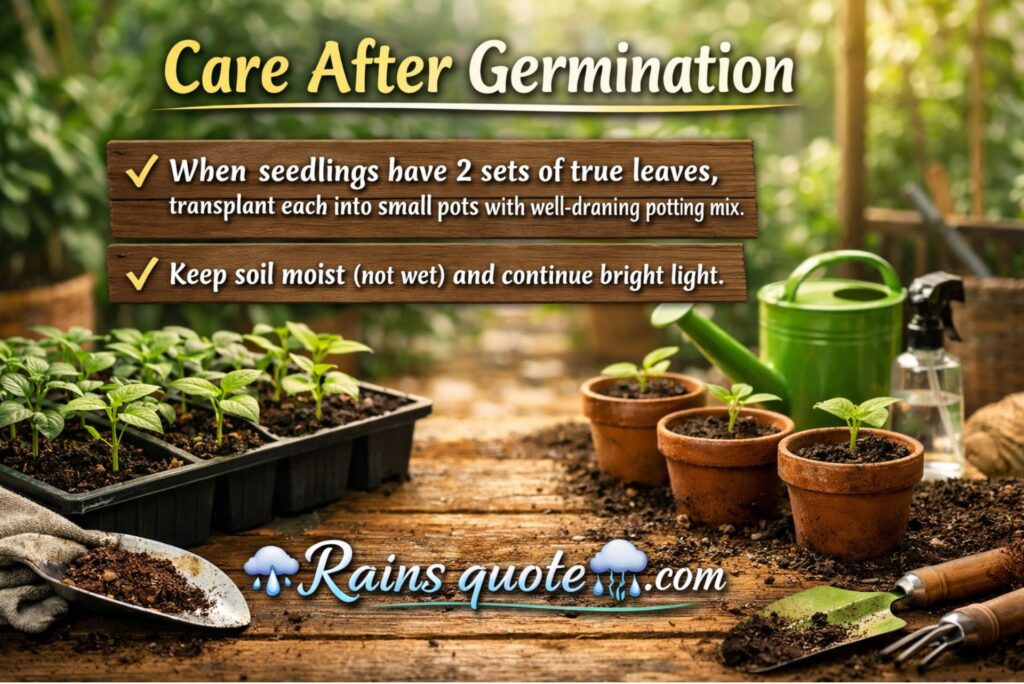
✔ When seedlings have 2 sets of true leaves, transplant each into small pots with well‑draining potting mix.
✔ Keep soil moist (not wet) and continue bright light.
7) Harden Off Before Planting Outdoors
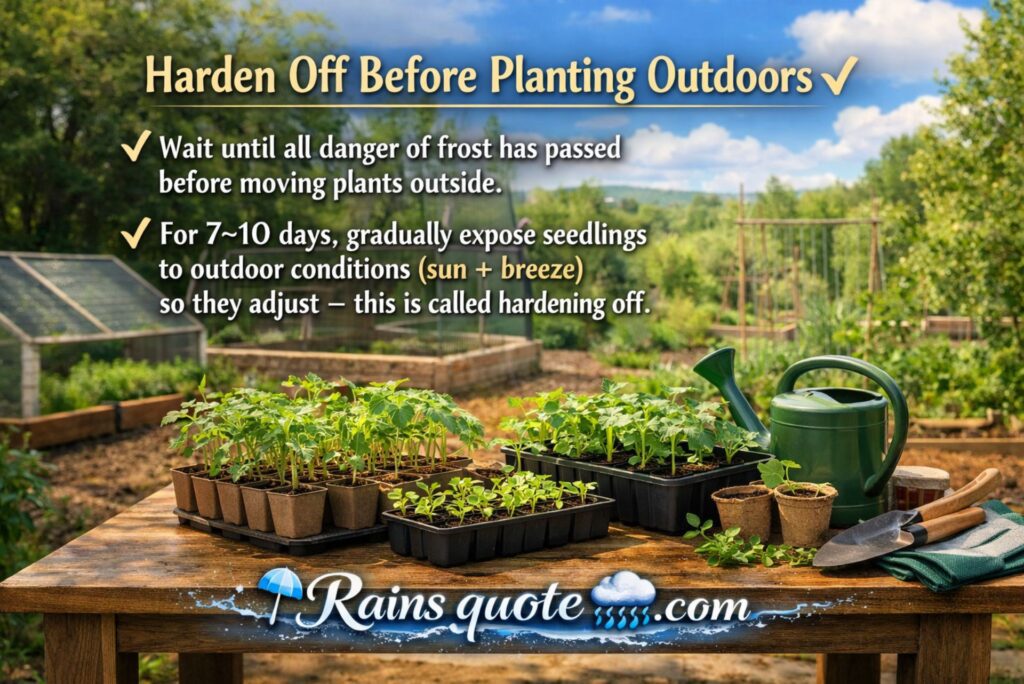
✔ Wait until all danger of frost has passed before moving plants outside.
✔ For 7–10 days, gradually expose seedlings to outdoor conditions (sun + breeze) so they adjust — this is called hardening off.
8) Planting in the Garden
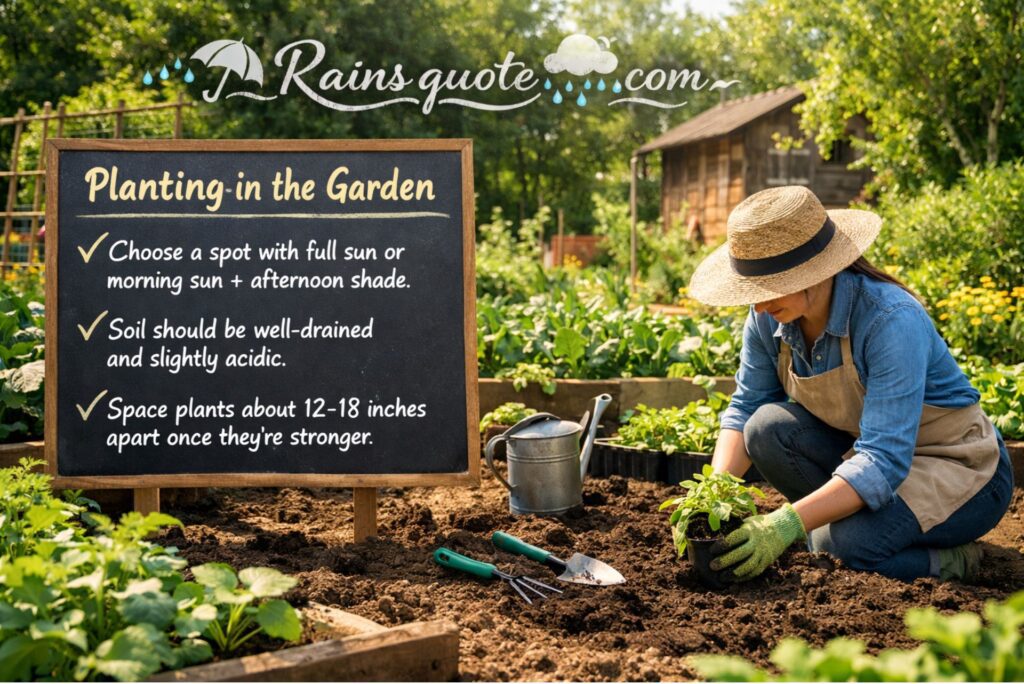
✔ Choose a spot with full sun or morning sun + afternoon shade.
✔ Soil should be well‑drained and slightly acidic.
✔ Space plants about 12–18 inches apart once they’re stronger.
How to Grow Gerbera Daisies Indoors
The Gerbera Daisy is a favorite indoor plant for its vibrant, cheerful blooms, but it needs the right conditions to thrive.
Although they love sunlight, direct rays from a windowsill can burn the leaves. In my experience, placing them where they get morning sun and afternoon shade, or bright filtered light all day, works best.
💡 Practical tip: Keep the soil slightly moist — water when the top inch is dry, but never let the plant sit in water. Rotate the pot every few days so all sides get light and the plant grows evenly.
🌿 Gerbera Daisy Indoor Care Tips
- Watering: When the top inch of soil feels dry, give your Gerbera a good, deep drink. Make sure the pot drains fully before placing it back in its spot. Always water at the base to keep the leaves dry. In winter, water less often, just enough to keep the soil from drying out completely.
- Feeding: During spring and summer, feed your plant regularly with a balanced fertilizer to encourage healthy blooms.
- Pruning: Remove any flowers that start to wilt—this helps the plant focus energy on new growth and keeps it looking fresh.
- Repotting: If your Gerbera outgrows its pot, move it to a slightly larger pot with fresh soil for better growth.
Gerbera Daisy Care and Maintenance 🌼

Watering: Keep soil slightly moist; water when the top feels dry. Avoid wetting leaves to prevent diseases.
Fertilizing: Feed every 2 weeks with water-soluble fertilizer or use slow-release plant food.
Pruning & Deadheading: Remove faded flowers and damaged leaves to encourage new blooms.
Propagating: Divide plants every 2–3 years or use stem cuttings to grow new plants.
Winter Care: Protect from frost; move potted plants indoors in cold climates and reduce watering.
Conclusion
Gerbera are more than just beautiful flowers — they are symbols of happiness, positivity, and vibrant energy. By understanding their history, colors, and specific care needs, you can enjoy these stunning blooms in your garden or home year-round. Whether you are planting seeds, tending outdoor beds, or growing them indoors, following simple tips for Gerbera Daisy will help your plants thrive and bloom beautifully. With a little attention and love, these cheerful flowers can brighten your space and bring joy to everyone who sees them.
FAQS
1. Do gerbera daisies need full sun?
Yes! Gerberas thrive in bright sunlight. Ideally, they should get at least 6 hours of sun each day. In very hot climates, provide some afternoon shade to prevent the leaves from burning.
2. How long do potted gerbera daisies last?
With proper care, potted gerberas can stay healthy and bloom for several months. Make sure to keep the soil slightly moist, provide bright light, and remove faded flowers regularly to encourage new blooms.
3. How to keep gerbera daisies blooming?
Deadhead spent flowers regularly, feed the plant with a balanced fertilizer, and maintain consistent watering. Ensuring they get enough light and good airflow also helps them produce blooms continuously.
4. Do gerbera daisies do better in pots or in the ground?
Both options work, but it depends on your climate. In colder or frost-prone areas, pots are safer because you can move them indoors. In mild climates, planting in the ground allows them to spread and grow more freely.
5. Can we save gerbera daisy seeds for next year?
Yes! After the flowers fade, allow the seed heads to dry completely. Collect the seeds, store them in a cool, dry place, and sow them the following season. Starting them indoors can give you the best results.