Petunias are more than just bright and beautiful garden flowers — they carry stories, emotions, and cultural meanings that many people never notice. From their roots in South America to their popularity in European and modern gardens, petunias, much like the lotus, have traveled through history, changing how people see and understand them.
This article explores the true depth of Petunia Flower Meaning by looking at its history, cultural symbolism, Victorian interpretations, modern-day meanings, and emotional connections. You’ll also learn how petunias and orchids are linked to different occasions, their care, and the unique traits that make them special — showing that these simple flowers hold much more meaning than just beauty 🌸
History & Origins of the Petunia
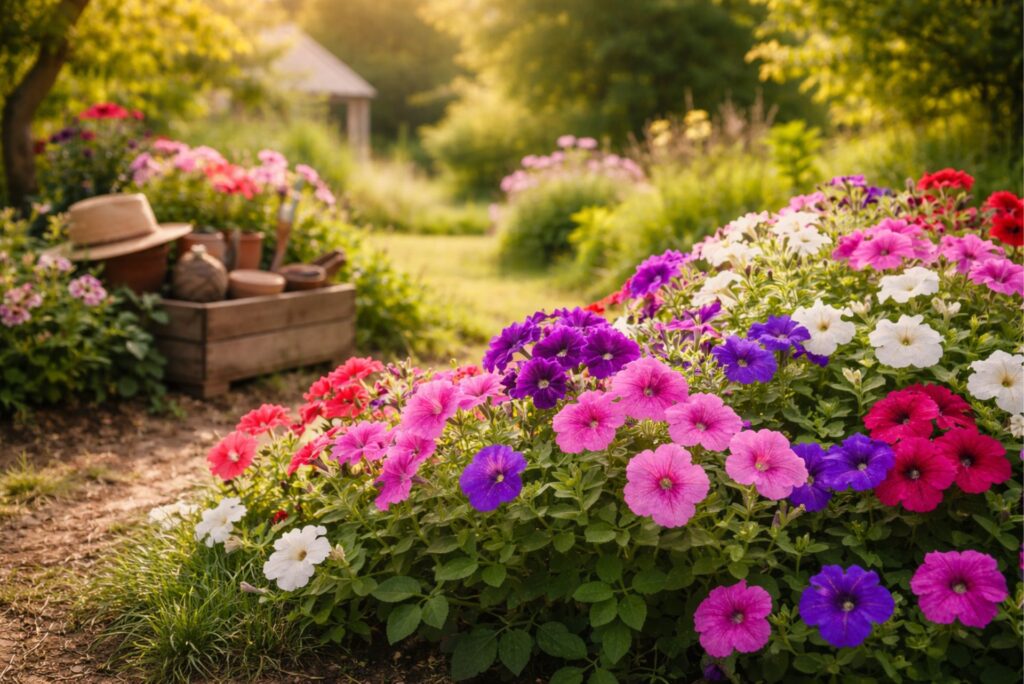
Petunias are beautiful flowers native to South America, particularly Argentina, Brazil, and Paraguay. They were first brought to Europe in the 1800s, where gardeners loved them for their bright colors and long blooms. Their name comes from the French word pétun, meaning tobacco, because they belong to the same plant family.
In Victorian times, petunias had mixed meanings. Some said they represented anger or resentment, while others used them to show friendship, comfort, or hope.
Fun fact: The Maya and Inca people believed petunias could ward off evil spirits, and they sometimes used them in rituals.
Cultural Symbolism of Petunia
When people look at a petunia today, they usually see a bright, cheerful garden flower. But its meaning wasn’t always so simple. The symbolism of the petunia mostly comes from 19th-century Europe, not from ancient religion or mythology.
🌸 Victorian Flower Language
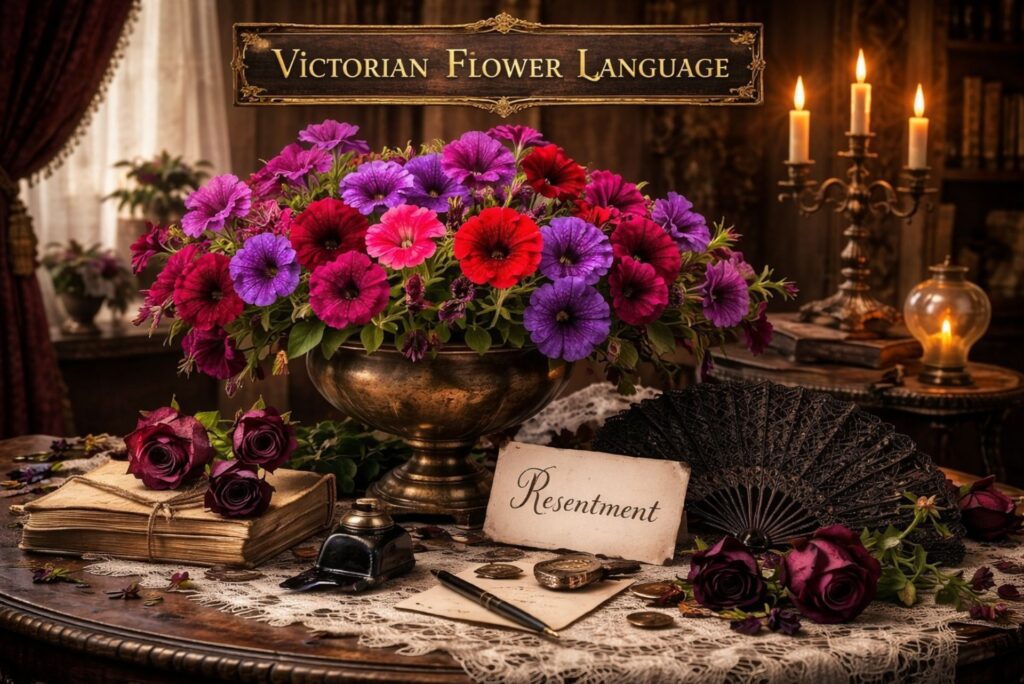
In the 1800s, especially in the United Kingdom, people used flowers to express feelings without speaking. This was called floriography, or the language of flowers.
According to FlowerMeaning.com, petunias in Victorian times symbolized resentment, anger, and strong emotions. Windflower Florist also explains that petunias represented displeasure or emotional intensity rather than love.
So in the Victorian era, a petunia was not a romantic flower like a rose. It was more about deep and sometimes negative feelings.
🌼 Modern Cultural Meaning
Over time, the meaning of petunias has changed.
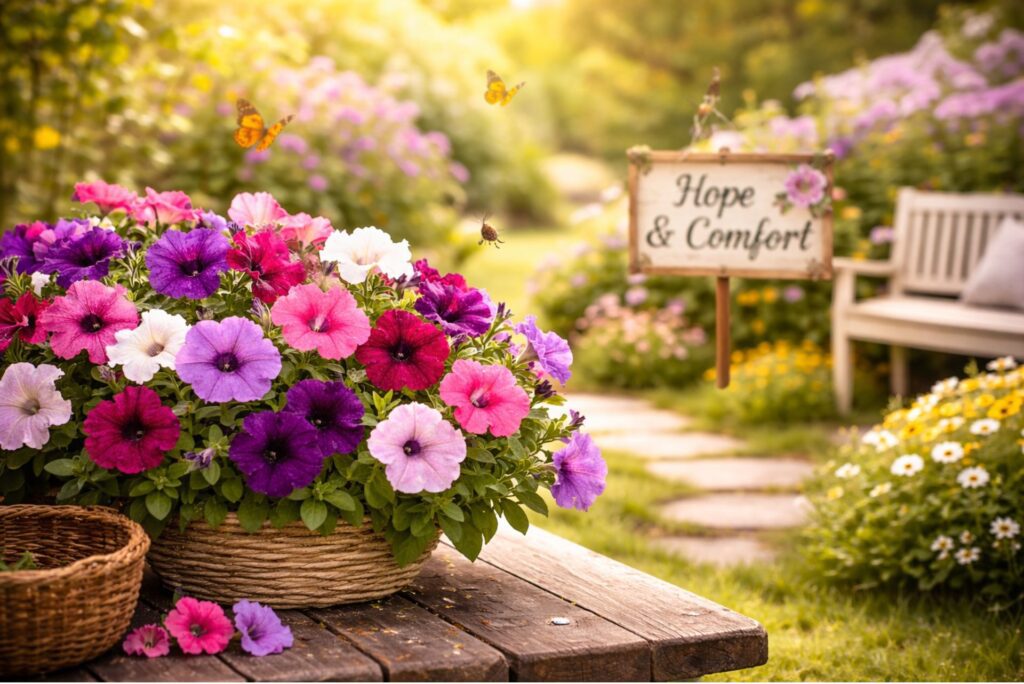
Today, especially in the United States, petunias are seen as bright, cheerful flowers that make gardens feel welcoming. People usually connect them with warmth, comfort, and positive energy.
According to The Bouqs Company blog, modern symbolism links petunias with hope, compassion, and peaceful feelings — very different from their older Victorian meaning.
Another floral site, AllwaysFlower, explains that although petunias once symbolized frustration, today they are more often seen as a sign of comfort and a calming presence.
In simple words, petunias are now viewed as friendly and uplifting flowers rather than symbols of resentment.
🌎 Origin and Cultural Background
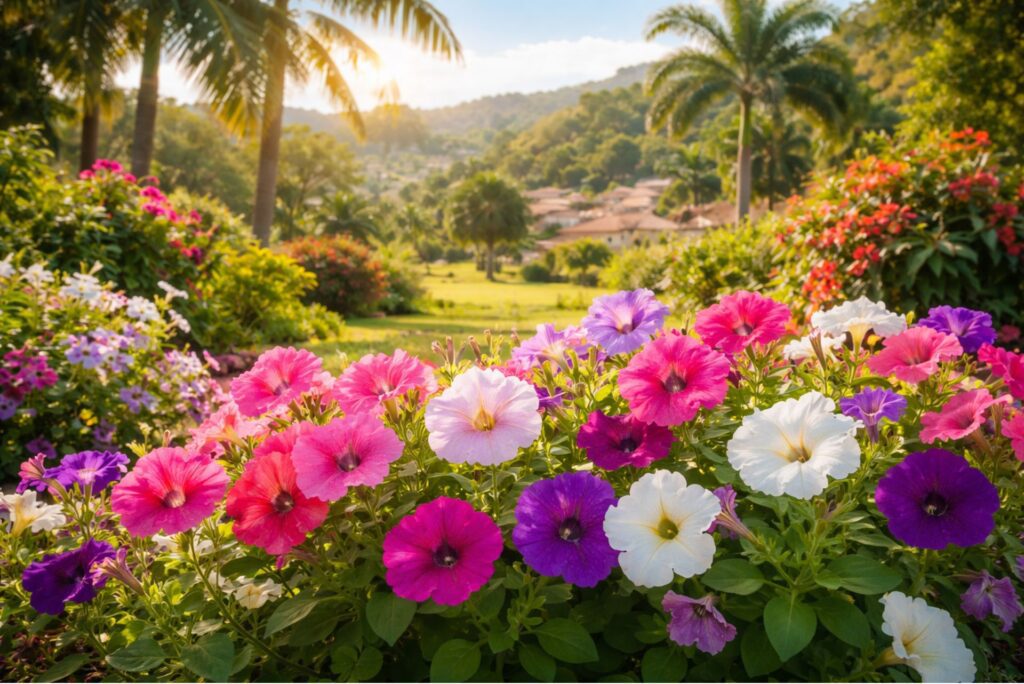
Petunias originally come from South America, mainly from Argentina, Brazil, and Uruguay. They naturally grew in warm regions before being brought to Europe.
Later, European gardeners began cultivating them, and they quickly became popular ornamental plants in home gardens and public landscapes. Unlike flowers such as the lotus or lily, petunias do not have deep ancient religious or spiritual symbolism. Their meaning mostly developed in Europe through decorative traditions and Victorian flower dictionaries.
For reliable botanical information, you can check trusted institutions like the Royal Horticultural Society and the Missouri Botanical Garden, which provide scientific background and plant history.
🌸 Petunia Meaning by Occasions
Petunias can carry different meanings depending on the situation or the message you want to send. Here’s a simple guide:
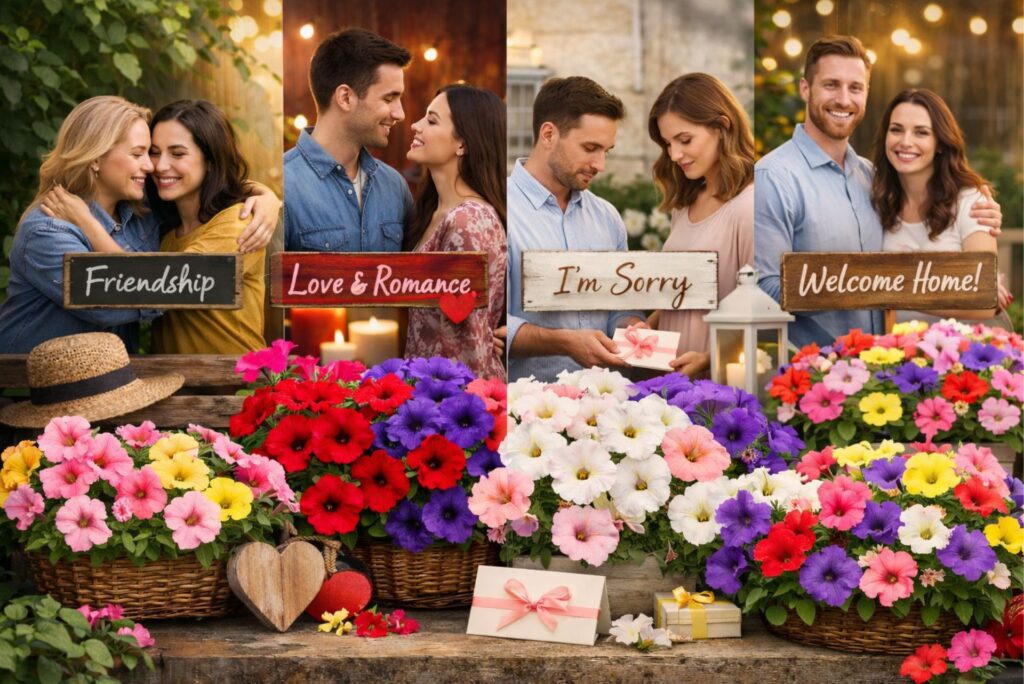
- Friendship: Pink or yellow petunias show warmth, care, and cheerful companionship.
- Love/Romance: Red or purple petunias express deep affection, admiration, or romantic feelings.
- Apology: White or soft pink petunias are used to show sincerity and ask for forgiveness.
- Sympathy/Comfort: White or purple petunias convey peace, support, and emotional comfort.
- Housewarming/Celebration: Bright mixed-color petunias symbolize joy, happiness, and a welcoming atmosphere.
In short, the color of the petunia can help express exactly what you feel in a subtle, meaningful way.
🌿 Caring for Petunias
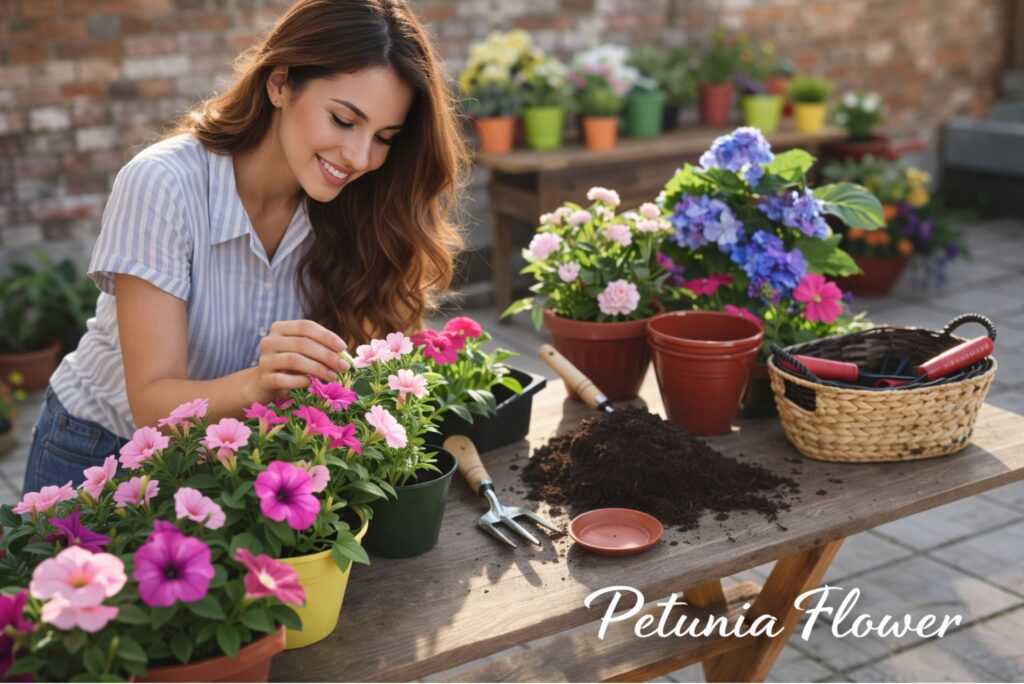
Petunias are beautiful, cheerful flowers, but they need proper care to thrive. Here’s a simple guide:
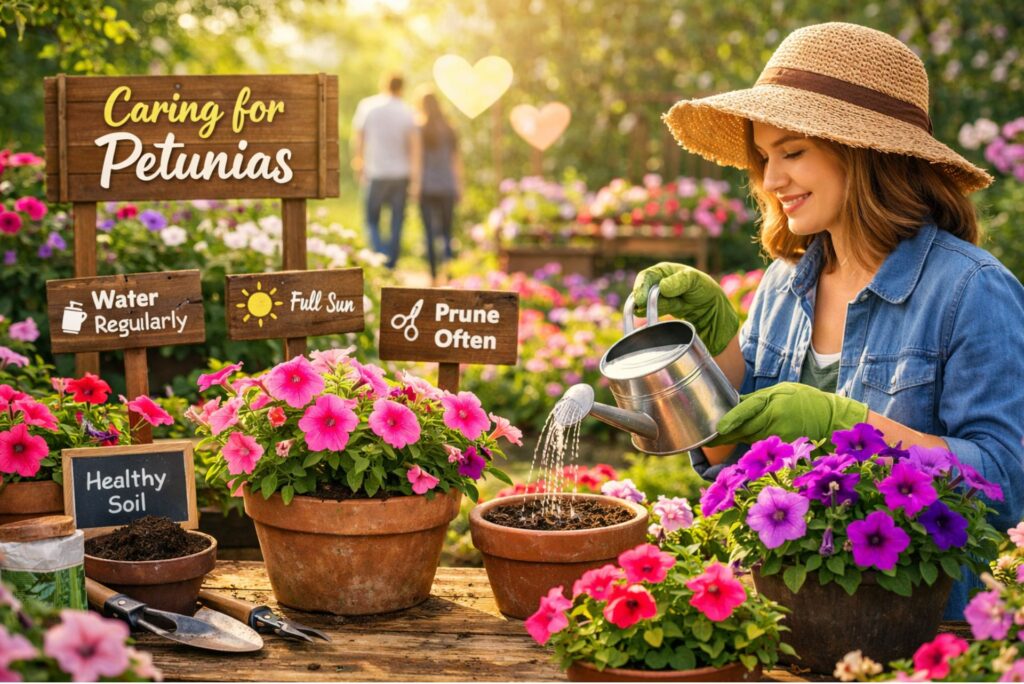
- Watering: Keep the soil moist but not soggy. Water regularly, especially in hot weather.
- Sunlight: Petunias love full sun. Make sure they get at least 5–6 hours of sunlight each day.
- Pruning: Remove faded or dead flowers to encourage more blooms and keep the plant healthy.
- Soil: Use well-draining soil rich in organic matter for the best growth.
💡 Symbolic connection: Just like a well-tended petunia, relationships need attention to flourish.
🌟 Fun Facts About Petunias
Petunias aren’t just colorful flowers—they have some really interesting traits that make them special. Here’s what you should know:
- Part of the Nightshade Family: Petunias belong to the same plant family as tomatoes, potatoes, tobacco, and peppers. This makes them botanically fascinating and connects them to many familiar plants. (Source britannica.com)
- Native to South America: Petunias originally grew in countries like Argentina, Brazil, and Uruguay. Later, they were brought to Europe and gardens around the world, where they became very popular.
- Over 35 Species and Hybrids: There are more than 35 species of petunias, plus wide hybrid varieties that gardeners can choose from to get different colors, shapes, and growth habits. (Source facts.net)
- Bloom in Many Colors: Petunias come in a wide range of colors—from white and pink to deep purple and bright red—making them perfect for creating vibrant, cheerful gardens.
- Attract Pollinators: Bees, butterflies, and even some hummingbirds are drawn to petunias, which helps pollinate other plants in your garden naturally.
- Long Blooming Season: With the right care, petunias can bloom continuously from early summer until the first frost, keeping your garden colorful for months.
- Some Petunias Are Edible: Certain petunia flowers can be used as colorful garnishes in salads or desserts. Always make sure you know the variety before eating.
- Rare Hummingbird-Pollinated Species: While most petunias are pollinated by insects, one species (Petunia exserta) is pollinated by hummingbirds in the wild—a rare and fascinating trait.
- Used in Hanging Baskets and Containers: Because petunias spread easily, they are very popular for hanging baskets, patio containers, and window boxes, adding beauty and fullness to any space.
- Some have a Mild Scent: Even though many modern petunia hybrids focus on color, some varieties still have a light, sweet fragrance that adds charm to your garden.
In short, petunias are not only visually stunning but also interesting in how they grow, attract pollinators, and even interact with people and nature. They combine beauty, resilience, and practical garden benefits—all in one flower.
Conclusion
Petunias are more than just garden flowers; they reflect history, culture, and emotion. From their South American origins to their presence in European and modern gardens, these flowers have inspired people for centuries. Their colors, symbolism, and unique traits make them not only visually stunning but also meaningful in everyday life. Caring for them and understanding their background adds a deeper appreciation for their beauty and charm.
FAQS
1. What is meant by Petunia?
Petunia is a vibrant flowering plant originally from South America. It is known for its wide range of colors, long blooming season, and cheerful presence in gardens. People often associate it with emotions, positivity, and sometimes even personal messages through its colors.
2. Are petunias romantic?
Petunias are not traditionally considered romantic like roses. In the past, they symbolized emotions such as resentment or strong feelings. Today, however, they are more often seen as friendly and uplifting flowers that bring warmth and comfort rather than romantic love.
3. What does a petunia mean in love?
In the context of love, petunias can symbolize admiration, affection, or caring for someone. While not a classic romantic flower, certain colors like red or purple may express deeper emotions or heartfelt admiration for someone special.
4. What is the most spiritual flower?
The lotus is widely regarded as one of the most spiritual flowers. It symbolizes purity, enlightenment, and spiritual growth in many cultures and religions, including Buddhism and Hinduism. Unlike decorative flowers, its meaning is deeply rooted in spiritual traditions.
5. What flowers fight evil spirits?
Certain flowers, like marigolds, petunias (in traditional beliefs), and sage bundles, have been used in rituals to ward off negative energy or evil spirits. These flowers are often chosen for their symbolic protective qualities in cultural or spiritual practices.